Amazon Rainforest Travel Guide for Visitors
Complete Amazon Rainforest travel guide, including tours, wildlife, accommodation, and planning tips for Brazil’s Amazon region.
About the Amazon Rainforest
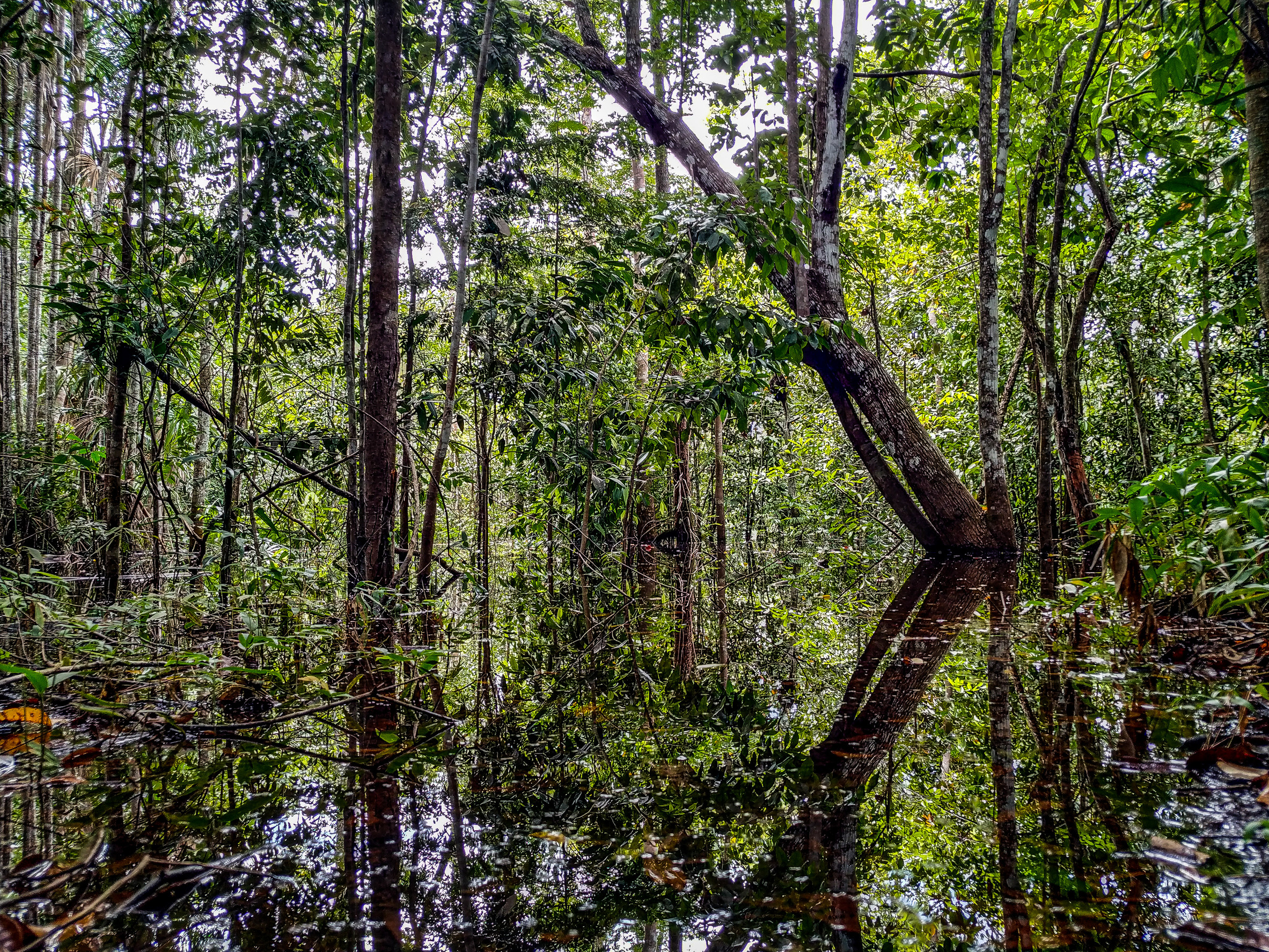
The Amazon Rainforest in Brazil is a huge tropical ecosystem that plays a crucial role in making planet Earth healthy and green. This valuable ecosystem covers nearly 60% of Brazil’s territory and is home to a vast river system and diverse plant, insect, and animal species, unlike anywhere else in the world.
Often referred to as the “lungs of the Planet”, the Amazon Rainforest helps in regulating the global climate and sustaining the unmatched biodiversity. Also, about two-thirds of the Amazon rainforest lies within Brazil, making it one of the best spots for ecotourism.
Where is the Amazon Rainforest Located?

The Amazon Rainforest stretches across 8 countries in South America, including Brazil, Bolivia, Colombia, Ecuador, Guyana, Peru, Suriname, and Venezuela. However, Brazil holds the largest portion of the most popular Amazon rainforest, covering the states of Amazonas, Mato Grosso, Pará, Acre, Amapá, Rondônia, Roraima, and Tocantins.
Manaus, the largest city in Brazil, is a gateway to the Amazon Rainforest, offering several options for Amazon exploration, including day tours, river cruises, and jungle lodges.
Is the Amazon Rainforest open to Tourists?

Yes , the Amazon Rainforest is open to tourists, offering guided rainforest treks, exploration of national parks, Amazon river cruises, multi-day jungle lodges, and much more.
However, it is essential for tourists to explore the Amazon Rainforest with a knowledgeable guide who knows the area well and can identify the best places to spot wildlife.
Amazon Rainforest Tour Highlights
Are you curious about what kind of Amazon rainforest tours or activities are waiting for you? Here are a few top Amazon Rainforest Tours or activities listed below.

River Cruises
River Cruises are among the most beloved parts of the Amazon rainforest itinerary, especially around Manaus, where you get to witness unique wildlife, such as caimans, river turtles, sloths, pink river dolphins and more.

Go Fishing
The Amazon River is home to a variety of fish species, such as the Peacock Bass and Piranha. You can try your luck and try catching them for an adventurous experience.

Amazon Jungle Tours
Many tourists love taking Amazon jungle tours led by expert guides, where you never know which unique plant or animal species you might catch a glimpse of.

Explore Anavilhanas National Park
Tourists can explore the Anavilhanas National Park, a protected Amazon reserve along the Rio Negro, famous for the Anavilhanas Archipelago, which is one of the world’s largest river archipelagos. Spot amazing wildlife, including pink river dolphins, monkeys, birds, and aquatic species.

Exploring Meeting of Waters
In most Rainforest Amazon tours, the Meeting of Waters is included, a fascinating phenomenon in which the Rio Negro (black water) and the Solimões (brown water), the famous Amazon rivers, meet but don’t blend.

Visiting Local Tribes
In Brazil’s Amazon Rainforest, there are over 400 indigenous tribes. You can arrange a visit to one of these communities and get a chance to interact with them and understand their way of living, everyday challenges, customs and more.

Visit the Mamiraua Sustainable Development Reserve
Here, you can spot fascinating Amazonian animal and plant species, including monkeys (Uakari), Amazonian manatees, kingfishers, and much more. This place truly offers an unforgettable experience, especially for nature admirers.
Where to stay in the Amazon Rainforest in Brazil

Jungle Lodges
The Jungle Lodges are the most popular accommodation options for your Amazon Rainforest tour. The Jungle lodges allow you to live amid nature without compromising on comfort and basic needs. The stay includes tempting meals, comfortable rooms, and guided tours ranging from basic to luxury accommodation.
Eco-Lodges
There are multiple eco-lodges that you can stay in, especially designed for eco-conscious tourists and that focus on reducing environmental damage.
Floating Lodges
The Uakari Lodge and the Juma Lodge are the most famous floating lodges in the Brazilian Amazon for staying. These offer stays in the flooded forest (várzea). These let visitors enjoy wildlife spotting from up close through activities like canoeing, nature walks, etc.
Hotels/Hostels in Manaus
Travellers looking for a budget-friendly option for their Amazon Rainforest Tour can choose between hotels or hostels based on their budget and preferences. The city has a variety of accommodation options for tourists.
Essential Tips for Visiting the Amazon Rainforest in Brazil
Proper planning is key to experiencing the Amazon Rainforest in Brazil comfortably, safely, and responsibly.
Know the best Season:
- It is essential for tourists to plan amazon Rainforest tour in Brazil during the best time. It mainly has two seasons: Dry and Wet. The Dry season (June to November) and the Wet season (December to May).
- During the dry season, you can go for wildlife spotting, jungle hikes and nature walks. However, the wet season is considered an ideal time for river cruises, canoeing, and other activities. Although showers can happen anytime.
Stay Healthy & Pack Light
- Pack lightweight stuff, stay hydrated, and carry a first-aid kit.
- Get vaccinations in accordance with the latest travel health guidelines for Brazil. (Yellow fever, Hepatitis A, etc.)
Bring cash
- Cities like Manaus and Belém accept cards and have ATMs. However, it is recommended to carry cash as the Amazon Rainforest Region still operates on cash
How to Be a Responsible Traveller

Leave no trace
As a tourists it is everyone's responsibility to leave no trash around and carry it instead in bags.
Respect Wildlife
Don’t disturb or feed wild animals and observe them from a distance
Respect the Indigenous Community
Show respect to local tribes and ask for permission before interacting with them or taking photos.
Protect the Amazon Rainforest
Explore only the designated areas of the Amazon, and do not pluck the plants
Quick Tips
- Plan ahead for best experience
- Research local customs
- Stay flexible with timing
- Connect with locals